The Sonic Shift: Beyond the Written Word
For decades, the digital publishing industry was defined by a single metric: the eyeball. Success was measured in page views, scroll depth, and click-through rates. However, as the digital landscape reaches a point of visual saturation, a new sensory frontier is emerging. Digital publishers are no longer just asking for their readers’ eyes; they are competing for their ears. The rise of studio-grade audio articles marks a significant pivot from the text-heavy past toward a multi-modal future where precision audio production is as vital as editorial rigor.
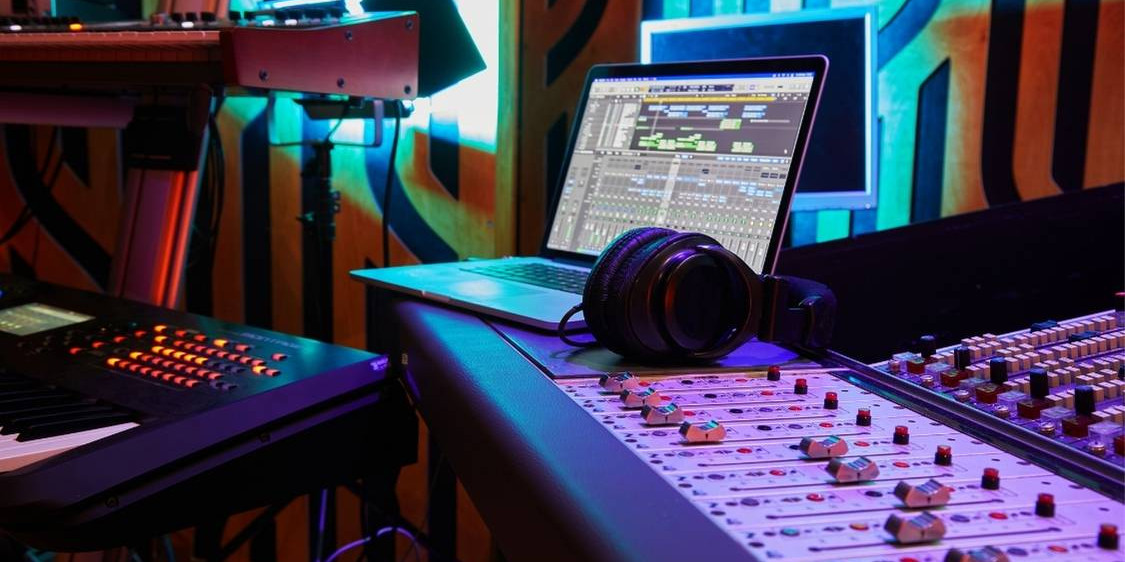
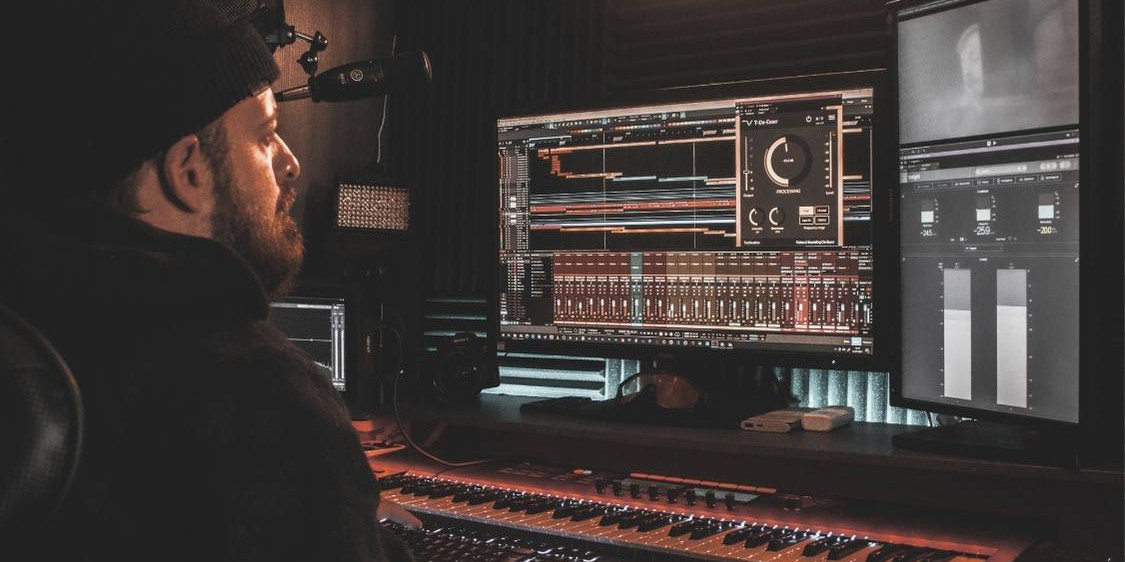
To achieve this level of sonic excellence, many publishers now utilize a professional recording studio to ensure their narrated content meets the highest industry standards.
This shift isn’t merely a trend; it is a response to the evolving habits of a global audience that is increasingly ‘screen-tired’ but ‘content-hungry.’ From legacy news organizations to niche lifestyle publications, the investment in high-fidelity narrated content is transforming how stories are consumed and remembered.
Combatting Digital Fatigue through Audio Narrative
The primary driver behind the move to audio is the phenomenon of digital fatigue. The average professional spends upwards of seven hours a day looking at screens, leading to a biological resistance to long-form reading. When publishers offer a studio-grade audio version of an 2,000-word investigative piece, they remove the friction of consumption.
The Multitasking Advantage
Unlike video or text, audio is the only medium that allows for secondary activity. Publishers have realized that their content can now accompany a reader through their morning commute, their workout, or their evening meal preparation. By investing in studio-grade sound, publishers are moving their content out of the crowded ‘work’ space of the computer screen and into the ‘lifestyle’ space of the headphones.
Why “Studio-Grade” Matters: The Human Element in a Robotic Age
In the early days of audio articles, many publishers relied on basic text-to-speech (TTS) software. These robotic, monotonous voices often did more harm than good, creating a jarring experience that lacked the nuance, pacing, and emotional resonance of the written word. Today, the investment has shifted toward professional narration and precision audio production.
Studio-grade audio articles offer several distinct advantages over automated alternatives:
- Emotional Resonance: Professional narrators understand where to pause for emphasis and how to convey irony, urgency, or empathy—elements that AI still struggles to master.
- Sonic Branding: High-quality production allows publishers to incorporate intro/outro music, ambient soundscapes, and a consistent ‘voice’ that becomes synonymous with the brand.
- Clarity and Accessibility: Precision mixing and mastering ensure that the audio is clear even in noisy environments, such as public transit or busy streets.
At Superlative Music, we have observed that the difference between a ‘recorded article’ and a ‘produced audio experience’ is the difference between a bounce and a loyal subscriber. Listeners can sense the quality of the production, and they equate high-fidelity sound with high-quality journalism.
The Economics of Audio: Retention and Loyalty
From a business perspective, the move to audio is backed by compelling data. Publishers are finding that audio listeners are significantly more loyal than text-only readers. An individual who spends 15 minutes listening to a deep-dive article is far more likely to subscribe than someone who skims a headline and three paragraphs before closing the tab.
Key Benefits of Investing in Audio Content
- Increased Time on Site: Audio naturally extends the duration of a user session, signaling to search engines that the content is highly valuable.
- Lower Churn Rates: Subscribers who integrate audio articles into their daily routines find the service more indispensable, leading to higher retention.
- New Revenue Streams: High-quality audio opens the door for premium sponsorships and audio-specific advertising that feels less intrusive than traditional display ads.
The Future of Audio-First Publishing
As we look toward the future, the line between a digital magazine and a podcast network will continue to blur. We are entering an era of “Audio-First” publishing, where the written word serves as the script for a larger, more immersive sonic experience. This evolution requires a sophisticated understanding of sound design and music production.
Publishers who treat audio as an afterthought—using low-bitrate recordings or unpolished edits—will likely find themselves left behind. In contrast, those who invest in studio-grade audio production are building a durable connection with their audience. They are recognizing that in an age of infinite distraction, the most valuable thing a brand can own is a place in the listener’s ear.
Ultimately, the investment in studio-grade audio articles is an investment in the integrity of the story itself. It ensures that the nuances of a writer’s work are preserved and that the delivery is as professional as the research behind it. For the modern digital publisher, sound is no longer an optional add-on; it is the heartbeat of the modern editorial strategy.