The Quiet Revolution: Beyond the Written Word
For decades, the digital publishing landscape was a silent one. It was a world of pixels and ink, a visual-first medium that demanded the undivided attention of the eye. But as we navigate the complexities of the modern era, a profound shift is occurring. The silence is being broken, not by noise, but by intentional, high-quality sound. Digital publishers are finally recognizing that accessibility is not merely a checkbox on a compliance form; it is a fundamental bridge to human connection.
This reflection on audio accessibility invites us to consider how we consume information. In a world that is increasingly fast-paced and fragmented, the act of reading can sometimes feel like a luxury that many cannot afford—or a barrier that many cannot cross. By prioritizing audio, publishers are opening their doors to a wider, more diverse audience, acknowledging that the way we experience a story is just as important as the story itself.
The Moral Imperative of Inclusive Design
When we speak of accessibility, we often think of it in terms of disability. We think of the visually impaired or those with neurodivergent needs who find long-form text a challenge to navigate. While these are critical considerations, true audio accessibility reaches even further. It is about empathy. It is an acknowledgment that every individual interacts with the world differently.
By investing in studio-grade audio articles, publishers are making a profound statement: Your experience matters. It is an act of inclusion that honors the diverse ways our brains process information. When a publication offers a beautifully narrated version of an investigative piece or a thoughtful essay, they are dismantling the barriers of the traditional ‘reading’ experience. They are allowing the content to meet the user where they are—whether that is in a darkened room, on a crowded train, or in a state of physical limitation.
Why Sound is the New Standard for Engagement
The transition toward audio is driven by more than just ethics; it is driven by a desire for deeper engagement. There is an intimacy to the human voice that text can rarely replicate. A well-produced audio track captures the nuance of tone, the weight of a pause, and the emotional resonance of a well-crafted sentence. It transforms a static piece of content into a living, breathing experience.
- Increased Reach: Audio allows content to be consumed during ‘eyes-busy’ moments, such as commuting or exercising.
- Enhanced Retention: For many, hearing information helps with memory retention and cognitive processing.
- Emotional Connection: The warmth of a professional narrator builds a sense of trust and companionship between the publisher and the listener.
- Universal Access: It provides a seamless experience for those with dyslexia, visual impairments, or chronic fatigue.
The Art of Precision: Why Quality Matters
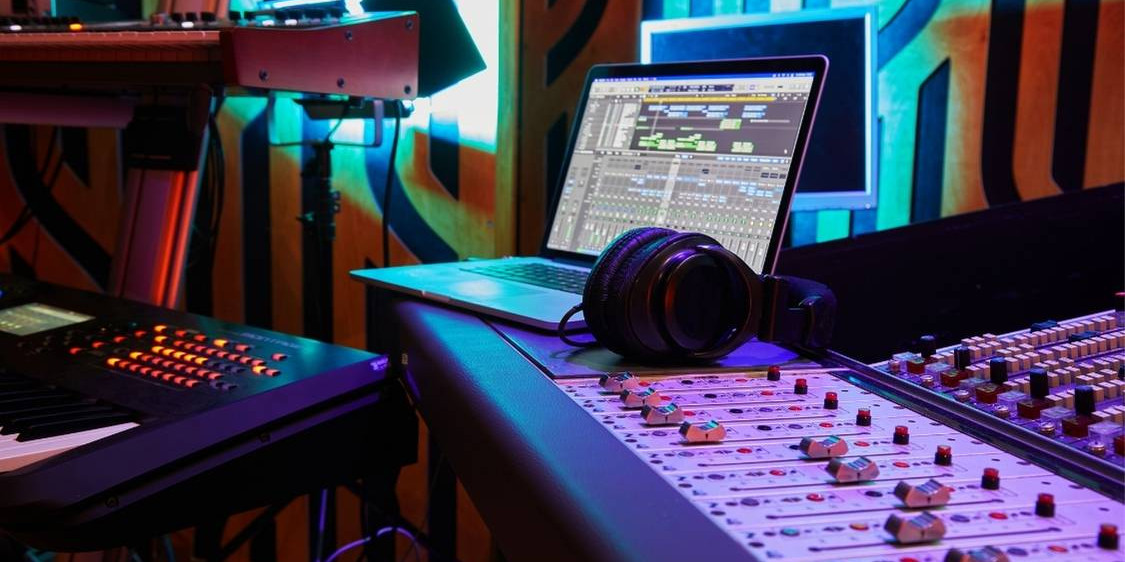
As we embrace this audible future, we must also reflect on the quality of the sound we produce. In the rush to become accessible, there is a temptation to rely on mechanical, synthesized voices that lack the soul of human expression. However, true accessibility is not just about the presence of sound; it is about the clarity and resonance of that sound. This is where the intersection of technology and artistry becomes vital.
Studio-grade audio production is not a luxury; it is a necessity for clarity. If an audio article is marred by background noise, poor mixing, or a monotonous AI voice, the barrier to entry remains. The listener must work harder to decipher the message, which defeats the purpose of accessibility. Precision audio—mixing, mastering, and professional narration—ensures that the message is delivered with the dignity it deserves. It respects the listener’s time and their cognitive load.
A Shift in the Publishing Soul
We are witnessing a maturation of the digital medium. Publishers are moving away from the ‘volume-first’ mentality of the early internet and toward a ‘value-first’ philosophy. This shift requires a moment of introspection: What does it mean to truly serve an audience? It means providing options. It means recognizing that a reader is also a listener, a thinker, and a person with varying needs throughout their day.
This priority on audio is a sign of a more compassionate industry. It suggests that we are finally listening to the quiet voices that have been asking for a way in. It is a recognition that the digital world should be as textured and varied as the physical one.
Looking Forward: The Audible Horizon
As we look toward the future of digital publications, the integration of high-quality audio will likely become the baseline, not the exception. We are moving toward a multi-sensory web where the boundaries between reading, watching, and listening continue to blur. This evolution is a gift to both the creator and the consumer. It allows stories to travel further, to sink deeper, and to resonate longer.
In the end, the push for audio accessibility is a return to our oldest form of storytelling: the oral tradition. Long before we had screens or printing presses, we had the voice. By prioritizing sound today, digital publishers are not just adopting a new technology; they are reclaiming a piece of our shared humanity. They are ensuring that no matter how someone chooses to ‘read,’ the story is there, waiting to be heard, in all its studio-grade clarity.